

اندیشکده دیپلماسی ملل: سخنان اخیر مارکو روبیو بار دیگر ضرورت بازخوانی مسئولانه تاریخ را یادآور میشود/ تاریخ روابط ایران و یونان را نمیتوان به روایتی ساده از تقابل شرق و غرب فروکاست
اندیشکده دیپلماسی ملل در پاسخ به سخنان اخیر مارکو روبیو در آتن نوشت: در شرایطی که یکجانبهگرایی ایالات متحده و اقدامات آن در عرصه بینالمللی با انتقادهای گسترده مواجه است، بهرهگیری گزینشی از تاریخ و برجستهسازی شکافهای تمدنی میتواند به ابزاری برای توجیه و تداوم این رویکرد تبدیل شود. اگر قدرتهای بزرگ قواعد مشترک، حاکمیت برابر کشورها، منشور ملل متحد و حقوق بینالملل را تابع ملاحظات یکجانبه خود کنند، امنیت و استقلال همه ملتها در معرض خطر قرار خواهد گرفت. این تهدید را نباید صرفاً مسئله یک کشور یا یک منطقه دانست.
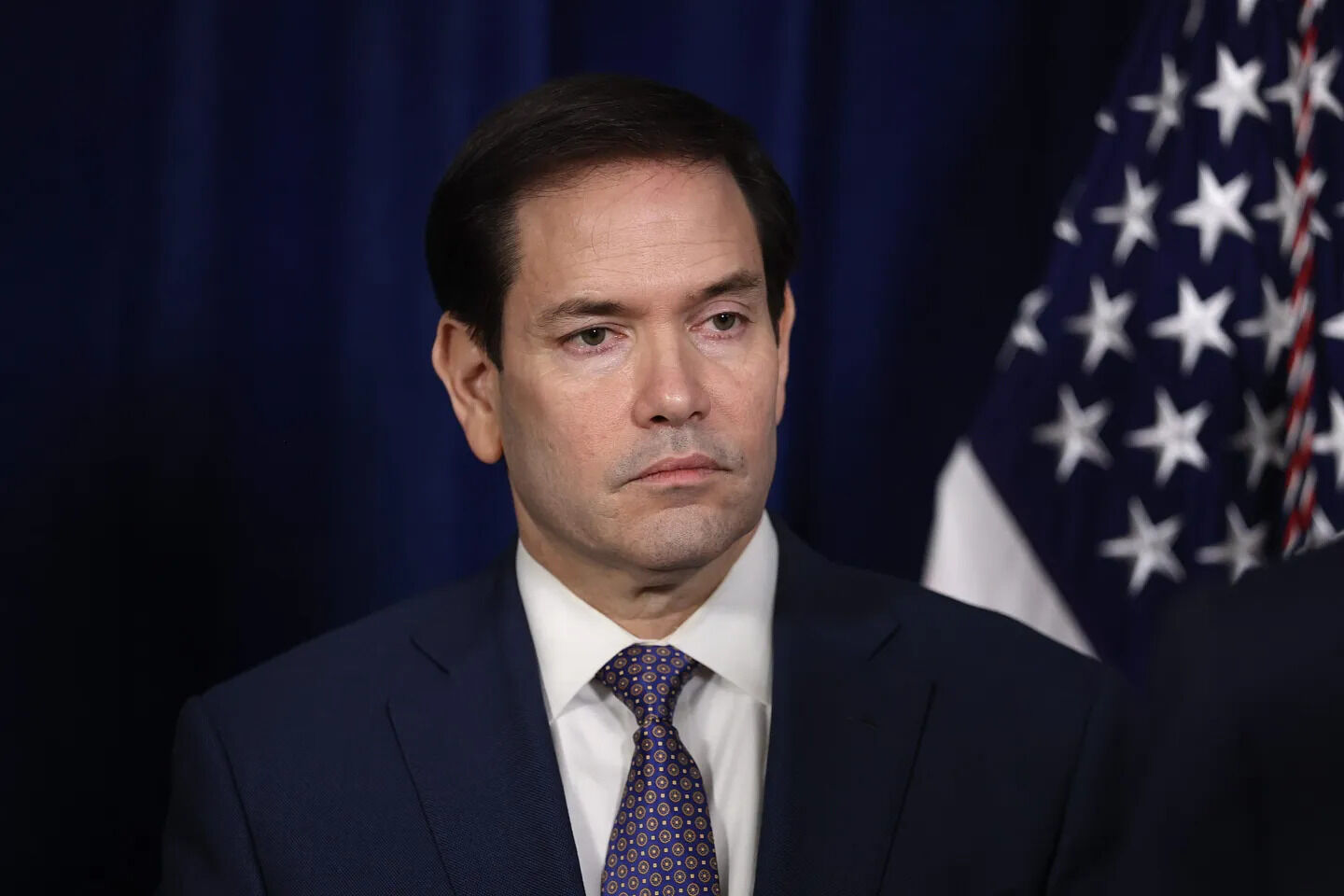
بیانیه اندیشکده دیپلماسی ملل در پاسخ به سخنان اخیر مارکو روبیو در آتن منتشر شد. متن این بیانیه در ادامه آمده است:
سخنان اخیر مارکو روبیو در آتن درباره میراث یونان باستان و جنگهای ایران و یونان، بار دیگر ضرورت بازخوانی مسئولانه تاریخ را یادآور میشود. تاریخ روابط ایران و یونان را نمیتوان به روایتی ساده از تقابل شرق و غرب فروکاست و زمینههای تاریخی منازعات را نادیده گرفت. مشارکت آتن در شورش ایونی و حمله به سارد در سال ۴۹۸ پیش از میلاد، بخشی از این پیشینه است؛ یادآوری اینکه هیچ منازعهای را نمیتوان جدا از زمینهها و زنجیره رویدادهای آن فهمید.
اما نگرانی اصلی، پیوند میان روایت تاریخ و سیاست قدرت در جهان امروز است. در شرایطی که یکجانبهگرایی ایالات متحده و اقدامات آن در عرصه بینالمللی با انتقادهای گسترده مواجه است، بهرهگیری گزینشی از تاریخ و برجستهسازی شکافهای تمدنی میتواند به ابزاری برای توجیه و تداوم این رویکرد تبدیل شود. اگر قدرتهای بزرگ قواعد مشترک، حاکمیت برابر کشورها، منشور ملل متحد و حقوق بینالملل را تابع ملاحظات یکجانبه خود کنند، امنیت و استقلال همه ملتها در معرض خطر قرار خواهد گرفت. این تهدید را نباید صرفاً مسئله یک کشور یا یک منطقه دانست.
ایران، با پیشینه تمدنی دیرپا و تجربه تاریخی مواجهه با قدرتهای مهاجم، کشوری نیست که بتوان اراده و توان دفاعی آن را نادیده گرفت. هرگونه محاسبه درباره اقدام نظامی علیه ایران باید پیامدهایی را در نظر بگیرد که لزوماً به پیشبینی آغازگران درگیری محدود نمیمانند. تکرار سیاست تهدید و توسل به زور میتواند هزینههایی سنگین و پیشبینیناپذیر برای همه طرفها به همراه داشته باشد.
اندیشکده دیپلماسی ملل تأکید میکند که مسئولیت مقابله با این روند تنها بر عهده دولتها نیست. جوامع علمی و دانشگاهی، اندیشکدهها و فعالان مدنی، بهویژه در کشورهای غربی، باید با نگاهی مستقل و نقادانه در برابر روایتهای گزینشی تاریخ و عادیسازی یکجانبهگرایی بایستند و از حاکمیت ملتها، حقوق بینالملل و گفتوگو میان تمدنها دفاع کنند.
بازگشت به منطق تقابل، جهان را به سوی عصری تاریکتر از بیاعتمادی، منازعه و ناامنی سوق میدهد. تاریخ بارها نشان داده است که هزینه جنگها را ملتها میپردازند؛ ازاینرو، دفاع از صلح، احترام متقابل و دیپلماسی، مسئولیتی فراتر از مرزهای ملی و تعلقات تمدنی است.
اندیشکده دیپلماسی ملل(NDT)
پیشبرد گفتوگو، همکاری و تفاهم میان ملتها
•روابط عمومی اندیشکده دیپلماسی ملل
Statement by the Nations’ Diplomacy Think Tank (NDT)
In Response to Marco Rubio’s Recent Remarks in Athens
“History should serve as a source of lessons and a guiding light for understanding among nations, not as a tool for rekindling past divisions and confrontations.”
Marco Rubio’s recent remarks in Athens on the legacy of ancient Greece and the Greco-Persian Wars once again underscore the need for a responsible reassessment of history. The history of relations between Iran and Greece cannot be reduced to a simplistic narrative of East versus West while the historical circumstances surrounding past conflicts are overlooked. Athens’ participation in the Ionian Revolt and the attack on Sardis in 498 BCE form part of this historical background, reminding us that no conflict can be properly understood in isolation from its broader context and the chain of events that preceded it.
The deeper concern, however, lies in the relationship between historical narratives and the exercise of power in today’s world. At a time when the United States’ unilateralism and its actions on the international stage have drawn widespread criticism, the selective use of history and the deliberate emphasis on civilizational divisions risk becoming instruments for justifying and perpetuating this approach. When major powers subordinate common rules, the sovereign equality of states, the Charter of the United Nations and international law to their own unilateral interests, the security and independence of all nations are put at risk. This is not a threat confined to any single country or region.
With its longstanding civilizational heritage and historical experience in confronting invading powers, Iran is a country whose resolve and defensive capabilities cannot be disregarded. Any assessment of military action again
st Iran must take into account consequences that may well extend beyond the expectations of those who initiate a conflict. Repeated threats and the resort to force can impose severe and unpredictable costs on all parties involved.
The Nations’ Diplomacy Think Tank emphasizes that the responsibility to counter this trend does not rest with governments alone. Academic and scientific communities, think tanks and civil society actors, particularly in Western countries, must take an independent and critical stance against selective interpretations of history and the normalization of unilateralism. Defending the sovereignty of nations, upholding international law and fostering dialogue among civilizations are shared responsibilities that demand engagement beyond governments.
A return to the logic of confrontation would lead the world towards a darker era of mistrust, conflict and insecurity. History has repeatedly shown that it is nations and ordinary people who bear the costs of war. Defending peace, mutual respect and diplomacy is therefore a responsibility that transcends national borders and civilizational affiliations.
Nations’ Diplomacy Think Tank (NDT)
Advancing Dialogue, Cooperation and Understanding Among Nations
•Public Relations of Nations Diplomacy ThinkTank
